Innovative education

The Insane Potential of AI-Generated Art

By
Rasleen Sandhu
March 17, 2023
Share to:
3 min read
Join the journey: Mereka.my

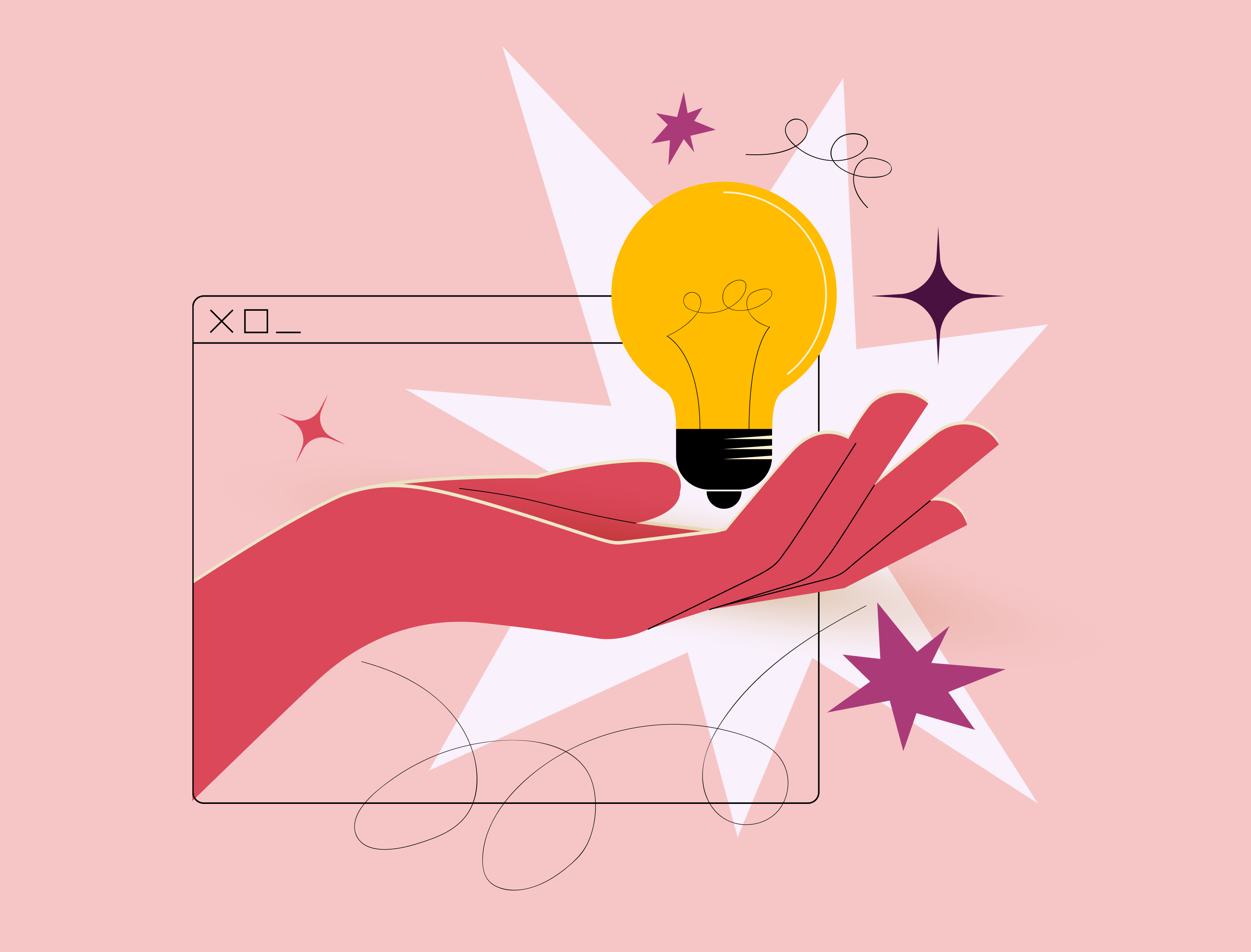
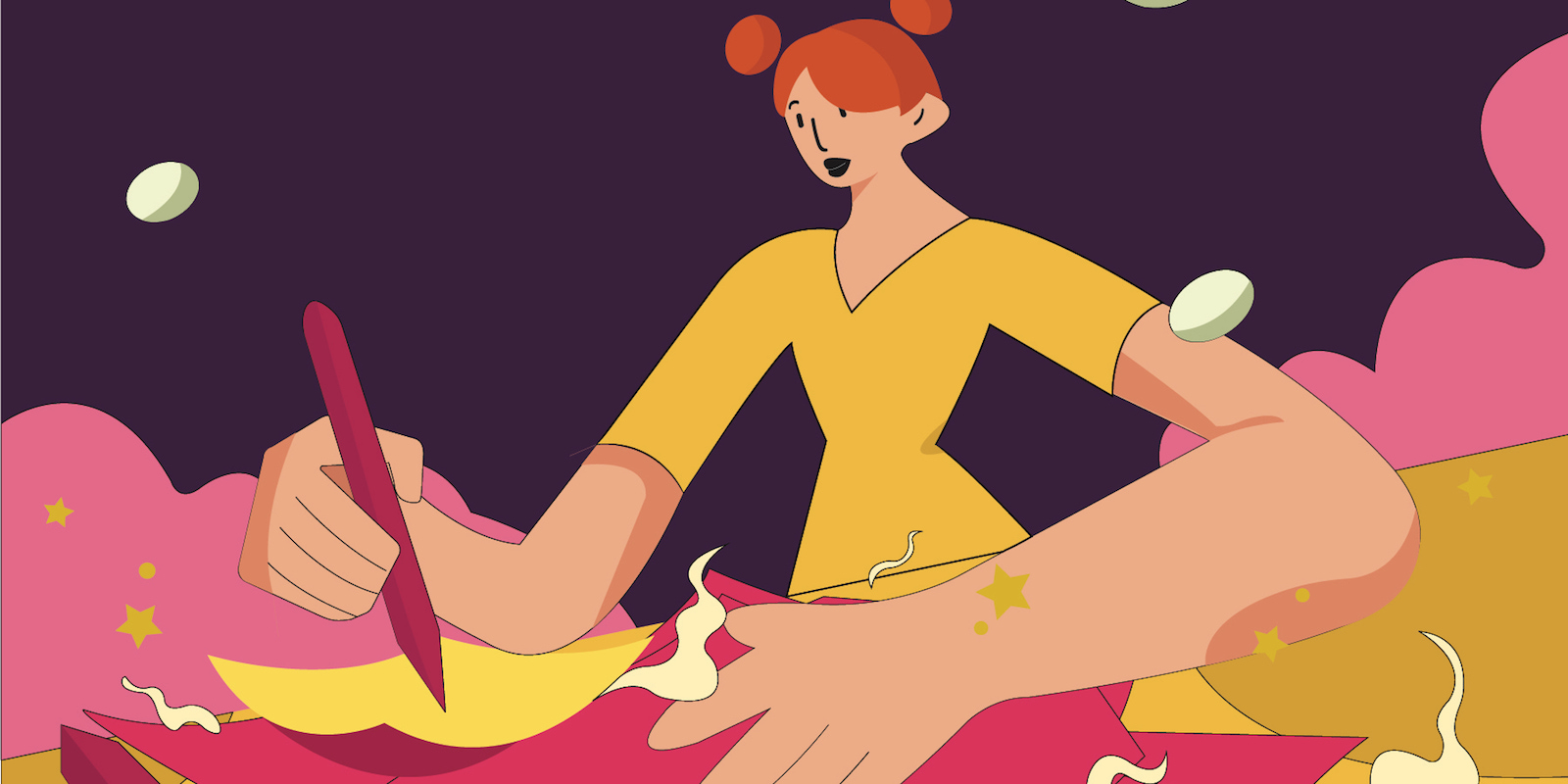
Envision this, you enter a room with two people in front of you. One holding a pencil and the other typing in codes but they are both creating artwork, would you consider an artist? The distinction between traditional and digital art has become increasingly blurred with the next generation of "iPad kids" and "Phone addicts." Thanks to technical improvements, and the convenience of it, there has been a tremendous blare in digital art. People have gone from one careless flick of the hand ruining their artwork to one simple click fixing all kinds of errors. However, some artists have chosen to go one step further to commune AI (Artificial Intelligence) algorithms to generate the artwork for them.

What is AI-generated art?
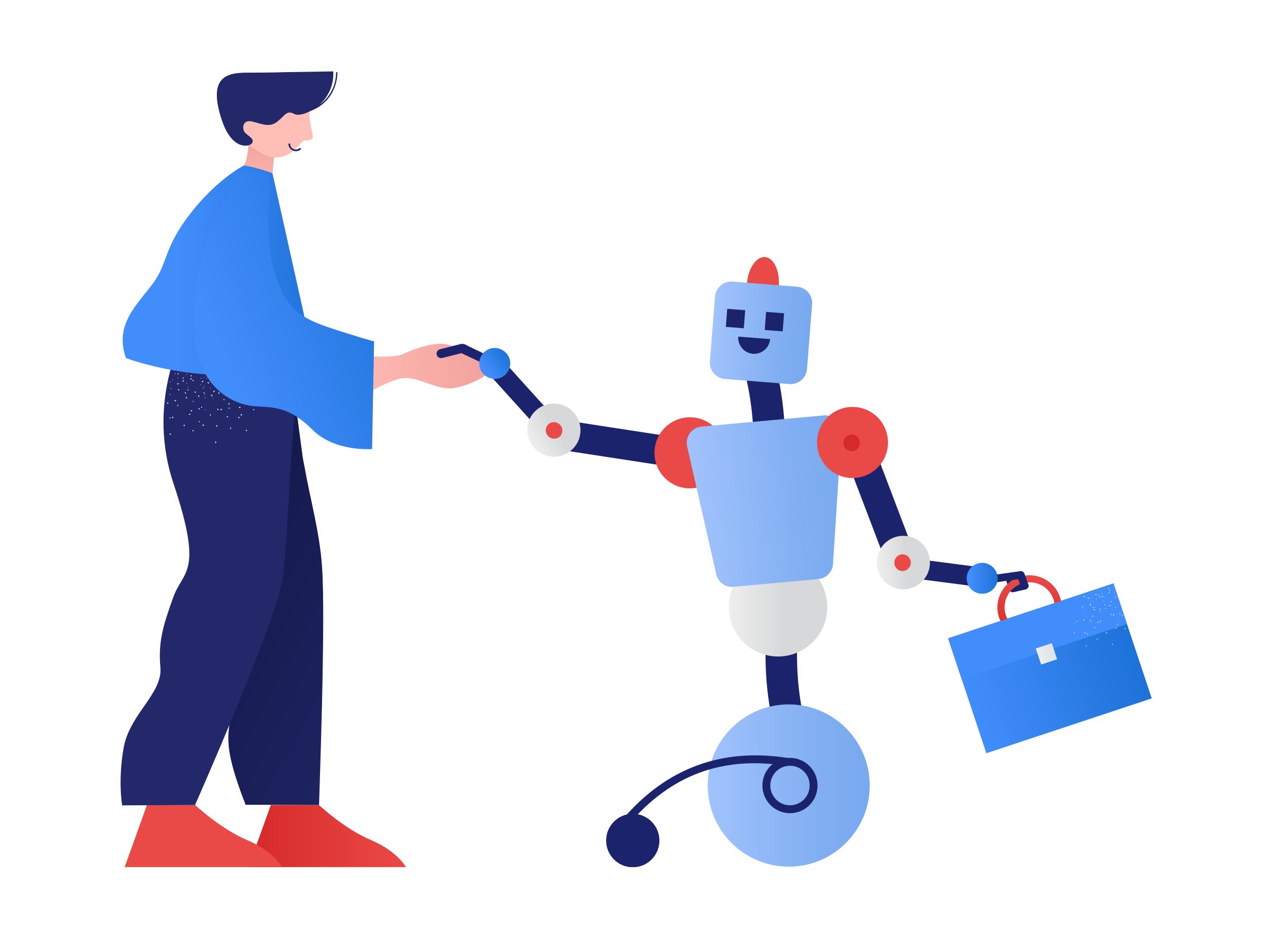
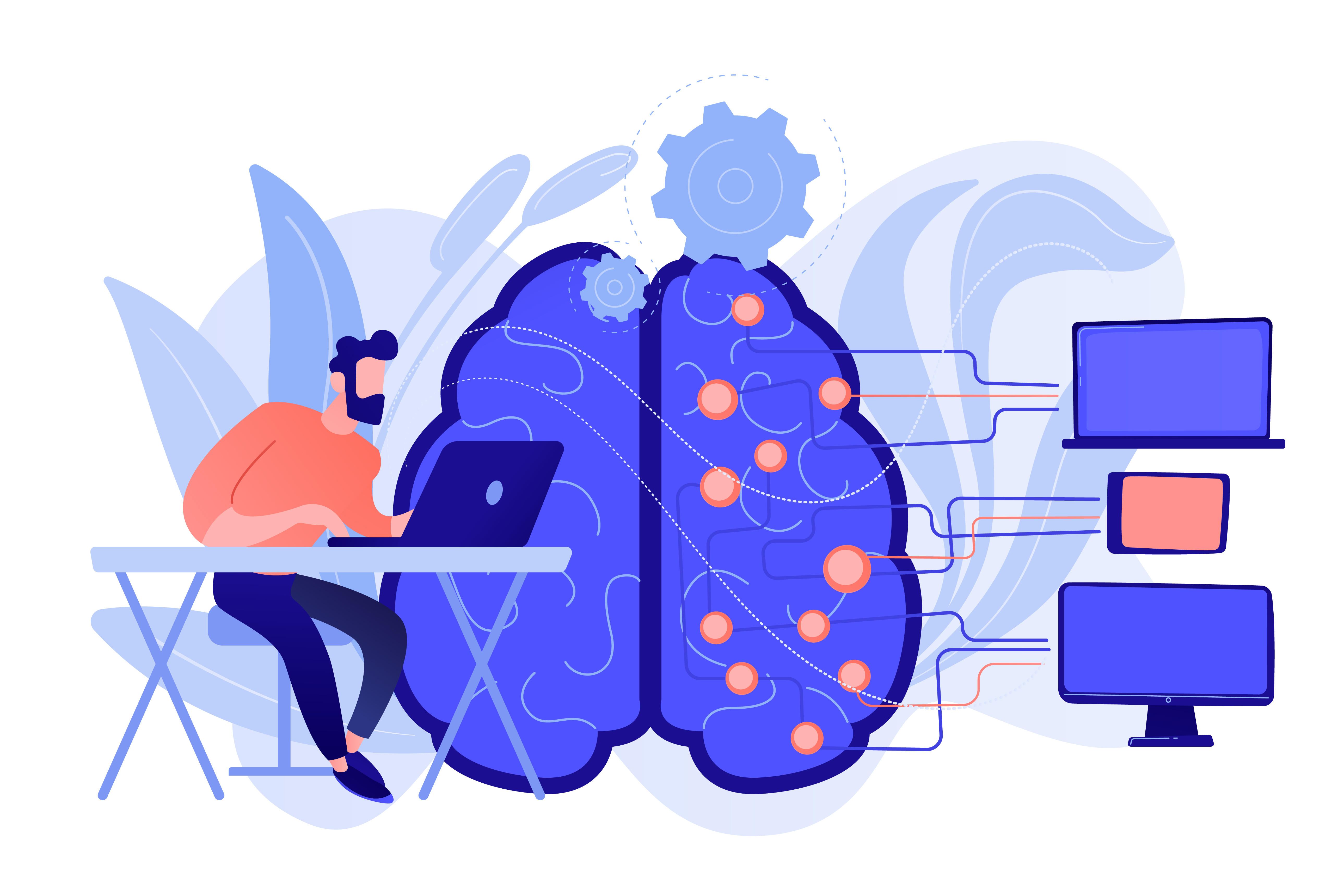
Defining AI-generated art as art generated with the assistance of artificial intelligence (AI) has caused serious disputes within the art industry. The process includes artists creating algorithms to "learn" a particular style by examining hundreds of photographs rather than following a set of rules. The greatest difference between AI-generated art and manual art is the "assistance of artificial intelligence." However, the word ‘assistance’ can be argued.

Many artists seem to be against the use of AI-generated art- as it is unfair for those who worked long and tirelessly to produce artwork manually, only to be replaced by a machine which is able to do the same thing but, in more detail. People whose liveliness depends on their artistic skills can potentially lose jobs, especially within an industry that is already difficult to succeed in. If you want to succeed, you must offer something extraordinary and unique to the market, while competing with half a billion people who share your ideology. Indeed, they too are striving to be discovered and yearn to make a decent living for their hard work. Traditional artists typically dedicate hours on end to meticulously create and perfect their final product i.e. art pieces and look forward to fair offers from their customers.

It is common for countless artists to cling to low-paying jobs in order to survive while pursuing their dreams of becoming successful artists. AI coming into the industry could further deprive these artists of the reward for their hard work and dedication. Forcing these artists to abandon their dreams and move on to different fields of work because they have been replaced.

Artificial intelligence (AI) is a machine that lacks emotions. Art, by definition, is an expression of human creative skills or imagination. How could an inanimate object produce something that is meant to be a personification of the human experience and emotions? AI-generated art can be seen as something that lacks humanity - hence, something I believe is very important in the creation of art is human emotions. Art is meant to be transcendental and is created to convey a powerful emotional message, which AI cannot do, despite our attempts to make it seem like it can.

All things considered, if we view AI-generated art as merely a tool for brainstorming or rough drafting, according to a few artist friends of mine, I assume many artists in the industry would consider it fair. AI can help with conceptual art. If an artist wants to try something new online before on paper, or if their art skills are limited, AI can help. This allows for the quicker and more solid creation of artwork. Anyone can create art with AI. With anyone simply creating art, this makes the barriers to being an artist less constricted. The advancement of AI in the industry has the potential to change our perception of what art is limited by. AI art serves the same purpose as ‘normal’ art, to move and inspire people, even though it is done on a computer, doesn’t the creator feel and express their emotions in their artwork? Isn’t this just another way of human expression?

I believe people shouldn’t be punished for using AI tools to produce their artwork. However, this was exactly what happened in the United States when a fellow artist, Jason Allen, received backlash when he won first place in an art competition which included the usual; painting, sculpting or quilting. It was one of the first A.I.-generated pieces to win a prize in the fair's contest for emerging digital artists, sparking a fierce backlash from artists who accused him of, essentially, cheating. I agree some artists have the right to be mad as AI is completely new to the competition and wasn’t very well-known. But nevertheless, we must consider the situation from both perspectives. As the artist did upload it in the correct category of digital arts and was straightforward about using AI.

It’s impact on the art industry

With AI-generated art having expanded access to more potential artists, more unique and open-minded ideas and artwork enter the industry. This is exactly what art is, constantly changing and never stagnant. The art industry should be able to adapt to the changes in this world, specifically with technological advancements such as AI becoming more persistent in everything we do. Of course, it would come with benefits and drawbacks - but either way, it is an opportunity to evolve. This opens up opportunities for artists who work with AI and those who do not. People's tastes in art would still vary, so many artists who prefer manual art could still make a comfortable living as art is highly subjective. Since making a permanent statement about art is impossible, which art do you prefer? Is AI-generated art satisfactory for you?
If you enjoyed this read, check out…

View All
Creative economy and businesses

Introducing Kita Mereka 1.0!

Kita Mereka 1.0 was a night of appreciation for Mereka Connect's creative Hubs, with an awards ceremony honoring 8 creative Hubs in their own unique categories. It also featured a mental health talk and line art therapy workshop by myWIPhealing.

Creative economy and businesses

Fun Times in Southeast Asia: Art Festivals You Need to Visit

Southeast Asia: a region of culture, tradition, great people and great times; jam packed with festivals and gigantic parties for everyone regardless of age or preference! Read our list of the region’s offerings to get the young blood in you excited!

Creative economy and businesses

Why Creative Hubs are important

In a post pandemic recovery era, it is vital to empower marginalized communities and boost the economy. 'UK-SEA Creative Hubs Connect' was developed by Mereka Connect and the British Council to link creative hubs across the UK and Southeast Asia.

Creative economy and businesses

Hitchhiker's Guide to Funding for Southeast Asian Artists

There are many funding opportunities out there if you want to advance your creative career, and we've compiled some of them to guide you through your creative journey! Use it to explore your potential to its maximum.

Key platform understanding

#1: Introducing Mereka Connect

Understand the journey of developing Mereka Connect, the challenges and struggles that led to its formation, and the exciting partnership with the British Council to grow this network across the region.

Creative economy and businesses

Creative Hubs Connect: A Platform to Network, Collaborate and Grow

Read further to learn the role the creative economy, headed by creative hubs and entrepreneurs, plays in South East Asia's booming economy. If you didn't already know about Mereka Connect, we'll be introducing it to you too!

Creative economy and businesses

5 creative locally-owned places in Malaysia you must visit

From artist-run studios to quirky art cafes and famous spots to hidden gems, this article covers 5 unique creative art spaces in Malaysia. If you're looking for places to share stories, learn skills, get inspired, and discover other artists, read on!

Today's businesses

The future of space bookings

There's no denying that many industries have been affected by the pandemic, including the Malaysian event industry. Though the future of space bookings may seem bleak, we can still save the industry by leveraging on a sharing economy model.

Today's businesses

4 tips for businesses on creating educational content

In the information age, it's important for businesses to make educational content that brings impact to customers or interested prospects. Read on to discover ways to improve your content creation and build a community of happy, informed customers.

IR4.0

Has digitization killed books?

Since the emergence of e-readers and digital learning, many have questioned the integrity of digitization. To us, these questions are a thing of the past.

Social innovation

The role of creative hubs in fostering sustainable development

Creative hubs are a product of their context. As an extension of its community; there is no cookie-cutter model of a creative hub, allowing each one to have a unique value proposition to their communities.

Innovative education

Innovative programs: 4 benefits of academic innovation programs

To stimulate interest and capacity for innovation, leading academic institutions are now offering many programs in these areas. Global programs, MOOCs, accelerators, incubators, and hackathons are just a few examples of how they're doing it.

Innovative education

Building your community: 5 experiences that universities can host

There are so many ways in which a university can bring communities together, and one of those ways is by hosting experiences. Read on to see five experiences that universities can host to create a thriving community.

IR4.0

Preparing for the unknown: 5 most in-demand roles of the future

Mapping out your career path, or contemplating a change? Here’s a list of 5 most sought-out roles in the 21st century economy.

Highlighting real businesses

The best software as a service (SaaS) tools to grow your company

It’s no hard feat to make a place for your business in the digital economy. Check out these SaaS tools that can further drive your business in today’s highly digitized world.

Creative economy and businesses

Rise of the creative economy

It is without a doubt that the creative economy is thriving now more than ever. Take a look at these Malaysian enterprises who are doing their part in championing the spirit of creativity.

Highlighting real businesses

Top 5 coworking spaces in Malaysia

Coworking spaces have been known to be catalysts for collaboration and productivity. Make full use of the facilities offered by these coworking spaces to spice up your work life!

Innovative education

10 learning centers in Malaysia and online to learn in-demand skills

Whether you’re a fresh graduate who’s looking to brush up your CV, or a lifetime learner who enjoys learning new skills, these learning centers will help you get to where you want to be.

Innovative education

Universities for the future of the maker movement: top 5 university makerspaces in Asia

A makerspace is a place where creatives can collaborate and execute ideas, so it is no wonder that universities have quickly adopted this concept in their institutions. Take a look at these universities in Asia and their unique takes on makerspaces!

Highlighting real businesses

Top 10 makerspaces in Malaysia

Time to put your creative hat on! Tap into your innovative side at any of these makerspaces that you can find across Malaysia.

Innovative education

Interdisciplinarity is the future: how educational institutes can benefit from interdisciplinary education

The value of interdisciplinary education is undeniable. It is important to incorporate it in all levels of education, but even more so in higher education institutions like universities and polytechnics.

Creative economy and businesses

The journey of a hub: what is a hub

There’s no shortage of benefits that a business can gain from acting as a hub. Read on to see our take on it, and the pathway of a business-cum-hub.

Key platform understanding

Building a thriving community: 5 tips for hubs in 2021

If there is anything that keeps a hub alive and it’s space and resources well-utilized, it’s the community. Here are four tips on how to build a happy and healthy community for your hub.

Social innovation

The future of work: 4 tips on managing employees during WFH 

There, there. We know how hard it is to keep your team (and even yourself) happy while you WFH. But with these helpful tips, you can ensure your team’s overall health and productivity is at its optimum!

IR4.0

5 strategies to drive your business through the future of work

Remote working has forced us to be creative in how we go about operating our business as we’re introduced to new online platforms and ways of working that we’ve never even considered possible. Strive to propel your business with these strategies.

Key platform understanding

How hubs helped hospitals: leveraging a sharing economy to fight COVID-19

The fight against COVID-19 heavily affected healthcare workers as they struggled from a global shortage of PPE. With the help of Malaysian craftsmen and our network of partners and creative hubs, we managed to contribute to this cause.

Key platform understanding

The future of the maker movement with decentralized and digitized Initiatives

Global issues require localized solutions. Put together a band of makers, innovators, suppliers, and logistics providers, and there’s no limit to what we can achieve.

Creative economy and businesses

The Southeast Asian Creative Boom

Southeast Asia’s economy has exploded, thanks to the creative industry. As such, many efforts are being taken to further boost this economic powerhouse. Here, we've compiled the various initiatives by the changemakers of the industry.

Creative economy and businesses

Hitchhiker's Guide to Funding for Southeast Asian Artists

There are many funding opportunities out there if you want to advance your creative career, and we've compiled some of them to guide you through your creative journey! Use it to explore your potential to its maximum.

Innovative education

Innovative programs: 4 benefits of academic innovation programs

To stimulate interest and capacity for innovation, leading academic institutions are now offering many programs in these areas. Global programs, MOOCs, accelerators, incubators, and hackathons are just a few examples of how they're doing it.